Why Hydrating Cream Should Be in Every Skincare Enthusiast's Routine
Hydrating cream plays a vital role in any skincare regimen. It not only provides essential moisture but also increases skin elasticity and overall appearance. Ideal for various skin types, it combats dryness and helps maintain a balanced complexion. With key ingredients like hyaluronic acid, these creams fortify the skin barrier. Understanding their benefits and proper usage can enhance skincare programs. Yet, many still disregard their importance. What makes hydrating cream necessary?
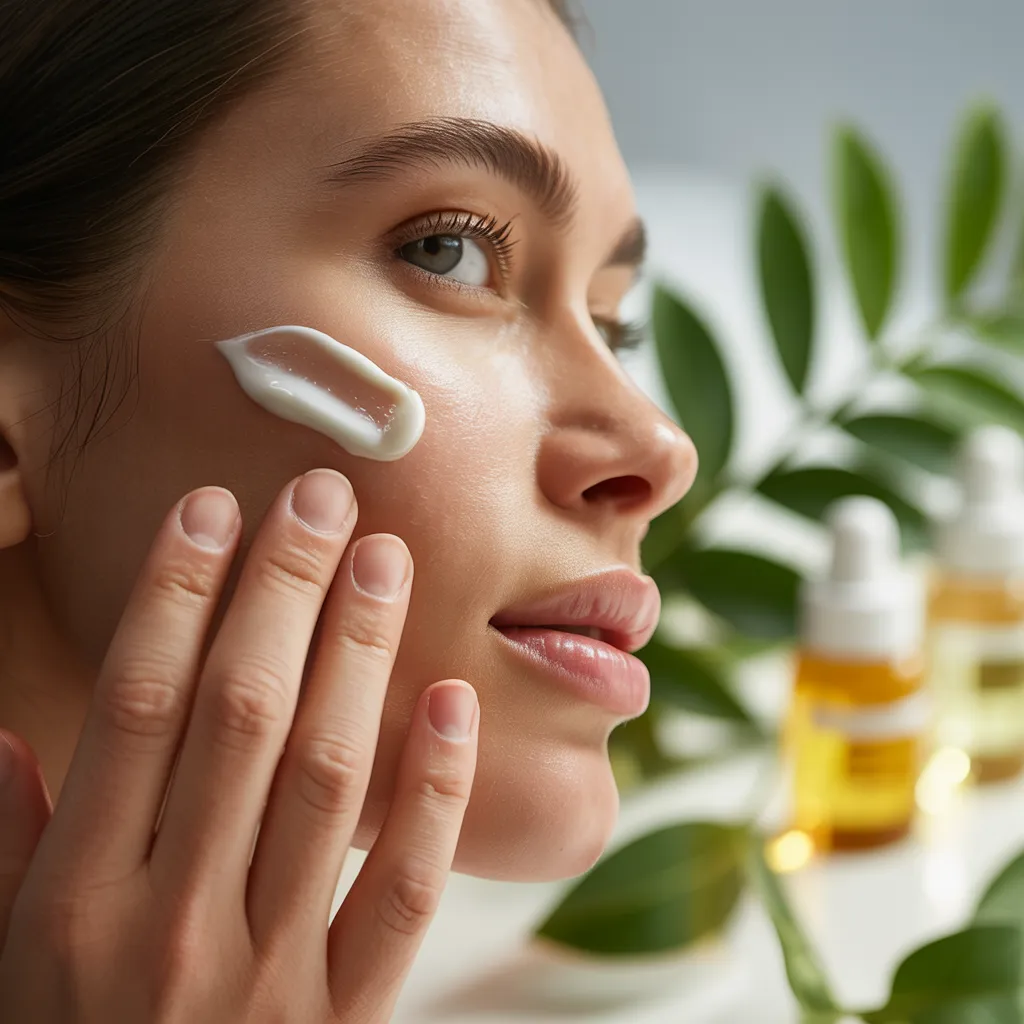
The Importance of Hydration for Healthy Skin
Proper hydration acts as a cornerstone of healthy skin, playing an essential role in maintaining its elasticity and overall appearance. Proper moisture levels help prevent dryness, which can lead to flakiness and irritation. When skin is properly hydrated, it appears plump and radiant, enhancing its natural glow. Moreover, hydration aids in the skin's barrier function, protecting against environmental aggressors and reducing the risk of premature aging. Inadequate hydration can exacerbate issues such as fine lines and rough texture, making it vital to prioritize moisture in skincare routines. Numerous factors, including climate, diet, and lifestyle, can impact skin hydration levels, reinforcing the importance of a consistent approach to maintaining adequate moisture for a vibrant complexion.
The Way Hydrating Cream Benefits All Skin Types
Even though skin types might vary significantly, the positive professional advice effects of a expertly-crafted hydrating cream remain universally applicable. For dry skin, hydrating creams supply essential moisture, easing tightness and flakiness. Oily skin can also gain advantages, as these creams assist in regulate sebum production by keeping balance and inhibiting over-drying. Combination skin finds solutions through targeted hydration, making certain that both dry and oily areas receive sufficient moisture. Sensitive skin types experience soothing effects, as hydrating creams often contain calming ingredients that lessen irritation and redness. Even mature skin sees benefits, with enhanced elasticity and plumpness resulting from deep hydration. Fundamentally, hydrating creams serve as a multipurpose solution, fostering overall skin health across all types.
Key Ingredients to Look for in Hydrating Creams
Often, beauty lovers look for certain ingredients that boost the effectiveness of hydration formulas. Important compounds such as hyaluronic acid are recognized for their power to draw in and hold moisture, making them vital for hydration. Glycerin, a effective humectant, pulls water into the skin, promoting a plump appearance. Furthermore, ceramides assist in repair the skin barrier, preserving moisture and stopping transepidermal water loss. Natural oils like jojoba and almond oil provide sustenance and enhance skin elasticity. Antioxidants, such as vitamin E, protect against external damage while boosting skin health. Furthermore, ingredients like aloe vera soothe irritation and deliver calming benefits, making them excellent for sensitive skin. These ingredients jointly contribute to the general performance of hydration formulas, addressing different skincare needs.
Guidelines for Integrating Hydrating Cream In Your Daily Regimen
How might someone smoothly incorporate hydrating cream into a daily skincare routine? To begin, it is recommended to apply hydrating cream promptly after cleansing to lock in moisture. Applying a toner or serum can amplify its effectiveness, as these products prepare the skin for deeper hydration. To optimize benefits, it's smart to choose a hydrating cream appropriate for one's skin type, whether oily, dry, or combination. Using it both morning and night guarantees consistent hydration. Furthermore, using a small amount, gently worked into the skin, can enhance absorption. For those with busy schedules, keeping the cream positioned on a vanity can serve as a reminder. Finally, layering it under sunscreen or makeup can provide an added boost of moisture throughout the day.
Widespread Myths Regarding Hydrating Cream Clarified
What misunderstandings involve the use of hydrating cream? Numerous individuals assume that hydrating creams are only essential for dry skin types, but all skin types can gain from hydration. Another widespread myth is that hydrating creams cause greasy skin; however, modern formulations deliver lightweight options perfect for oily and combination skin. Additionally, some individuals think that the presence of water in hydrating creams is enough for moisture, neglecting the importance of humectants and emollients in maintaining skin hydration. Finally, there is a belief that hydrating creams are only efficient when applied in large quantities, which is inaccurate; a small amount can offer adequate hydration. Dispelling these myths assists individuals to make informed choices for their skincare routines.
FAQ
Is It Possible to Use Facial Moisturizer Underneath Makeup?
Yes, hydrating cream can be used under makeup. It creates a smooth base, boosts moisture retention, and ensures makeup spread more evenly. Most makeup artists recommend it for creating a flawless, dewy finish.
How Frequently Should I Use Hydrating Cream?
Hydration cream should normally be used twice each day, during morning and nighttime routines. Nonetheless, individuals may adjust frequency based on individual skin characteristics, environmental conditions, and manufacturer instructions for best results.
Do Hydrating Creams Have Any Side Effects?
Moisturizing creams may sometimes lead to side effects like irritation, breakouts, or allergic reactions, especially for individuals with sensitive skin. It is advisable to conduct a patch test on new products to minimize potential adverse reactions.
Can Hydrating Cream Replace Moisturizer?
Hydrating creams can't completely substitute for moisturizers, as they serve different purposes. While hydrating creams introduce hydration, moisturizers usually offer a barrier to seal in the moisture, providing longer-lasting skin hydration and protection from environmental factors.
Is Hydrating Cream Appropriate for Oily Skin?
Hydrating cream can be suitable for oily skin, provided it is lightweight and non-comedogenic. This type of product helps sustain moisture equilibrium without contributing extra oil, allowing them to deliver hydration while preventing pore blockage.